Email Anytime
Harharcabs@gmail.com
Call Anytime
Email Anytime
Call Anytime
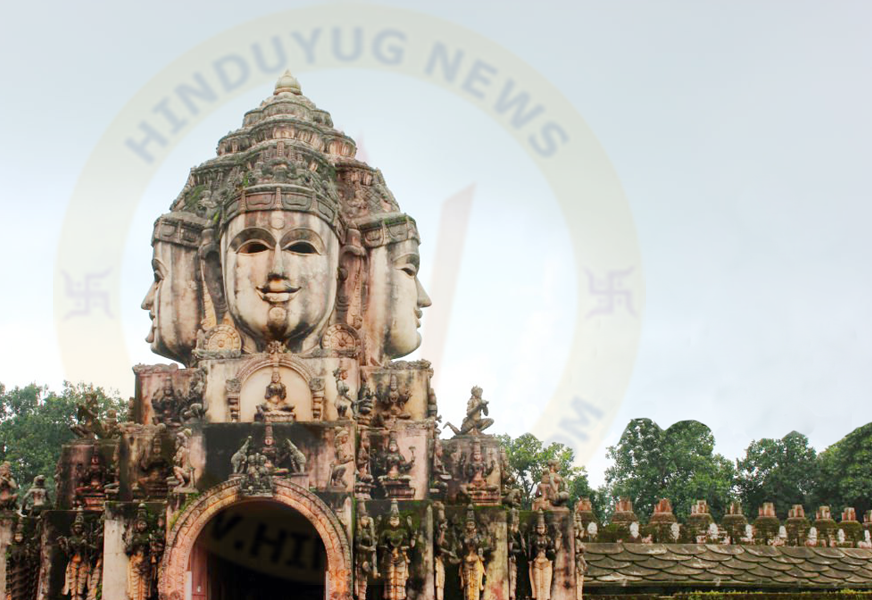
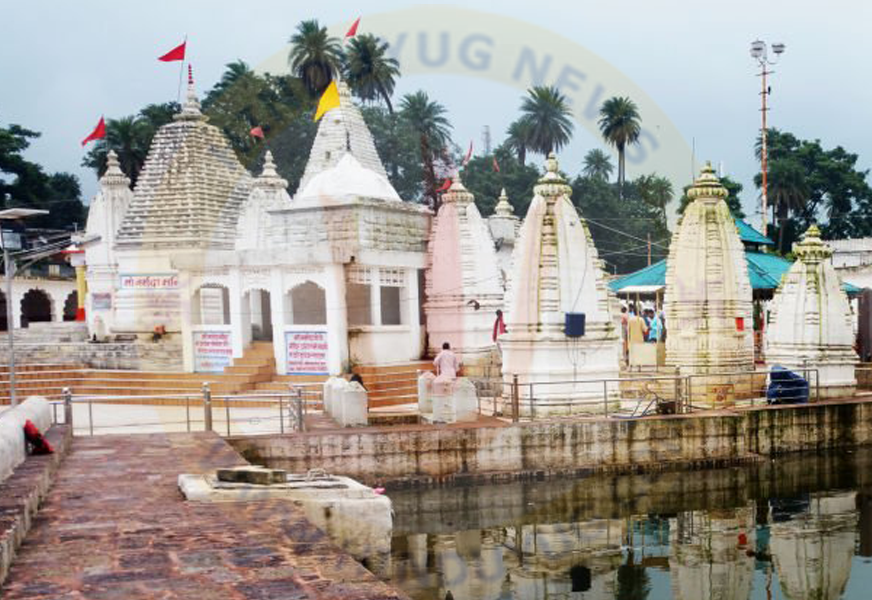
The town of Amarkantak lies in the newly created district of Anuppur, in Madhya Pradesh. It is situated on the Maikal mountain range which links the Vindhyachal and Satpura mountain ranges, at about 1067 meters above mean sea level. The population of the town as per 2001 census is around 7000.
Many mythological stories relating to Lord Shiva and his daughter Narmada have been woven around this mystical town of Amarkantak. Amarkantak is known primarily as a religious place. The holy rivers Narmada and Sone originate from here. Another important river Johilla, too originates from Amarkantak. There are about 12 temples here devoted to Narmada maiyya. The Narmada temple is the most important one, which has been built around the origin point of the river Narmada. The Bhonsles of Nagpur built this temple. Maharaja Gulab Singh belonging to the Baghel dynasty of Rewa constructed the outer boundary wall of the temple complex.
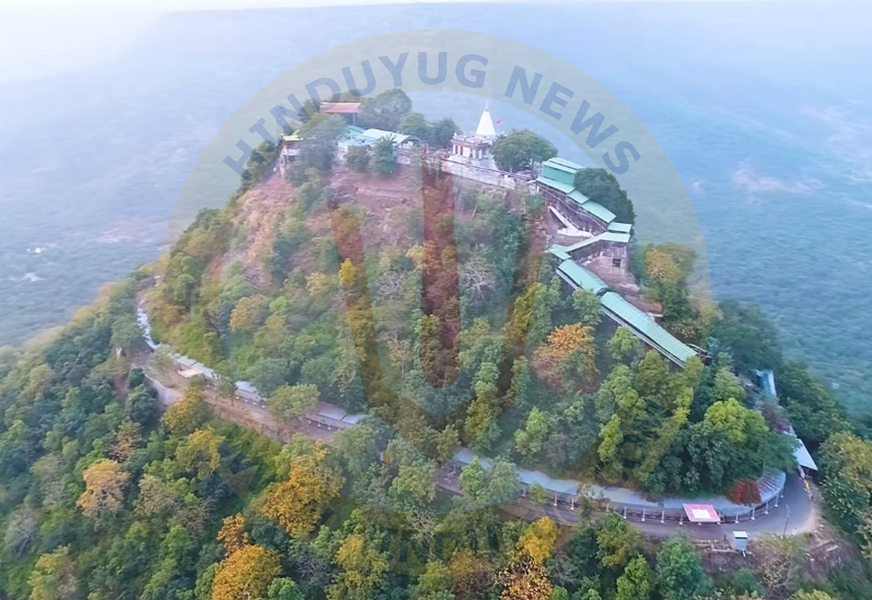
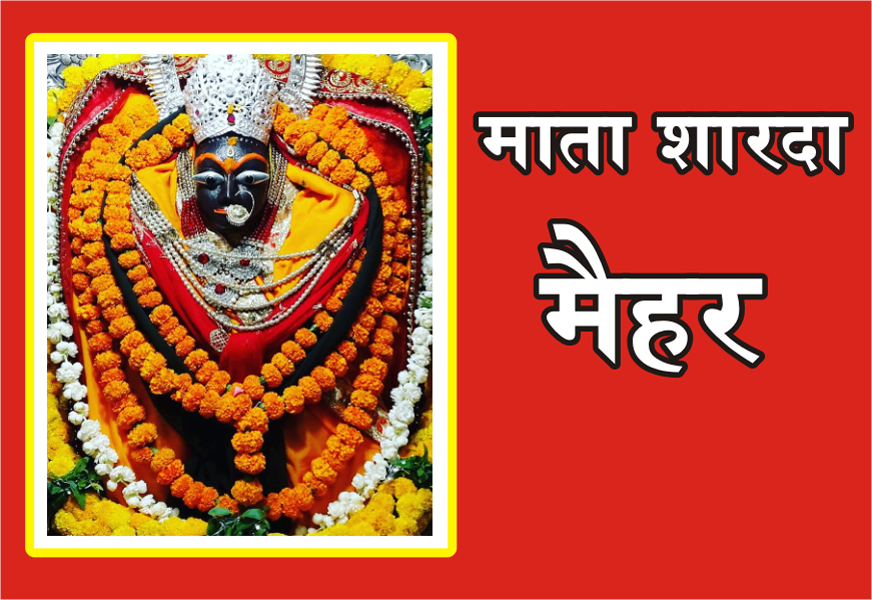
Maihar is a city and municipality in Satna district in the Indian state of Madhya Pradesh. Maihar is known for the temple of the revered mother goddess Sharda situated on Trikuta hill.
It is said that when lord Shiva was carrying the body of the dead mother goddess (Mai in Hindi) Sati, her necklace (haar in Hindi) fell at this place and hence the name 'Maihar' (Maihar = Mai+Har, meaning the 'necklace of mother').
Maihar's history can be traced to the Paleolithic Age. The town was formerly the capital of the princely state of Maihar. The state was established in 1778 by Jogis,clan, who were granted land by the ruler of the nearby state of Orchha.(Maihar king developed the other state Vijayraghavgarh). The state became a princely state of British India in the early 19th century, and was administered as part of Bundelkhand Agency in the Central India Agency. In 1871 the eastern states of Bundelkhand Agency, including Maihar, were separated to form the new agency of Bagelkhand in Central India. In 1933 Maihar, along with ten other states in western Bagelkhand, were transferred back to the Bundelkhand Agency. The state had an area of 407 square miles (1,050 km2), and a population of 63,702 in 1901. The state, which was watered by the Tamas River, consists mainly of alluvial soil covering sandstone, and is fertile except in the hilly district of the south. A large area was under forest, the producer of which provided a small export trade. The title of the ruler was maharaja. The state suffered severely from famine in 1896–1897. Maihar became a station on the East Indian Railway (now the West Central Railway) line between Satna and Jabalpur, 97 miles (156 km) north of Jabalpur. Extensive ruins of shrines and other buildings surround the town.
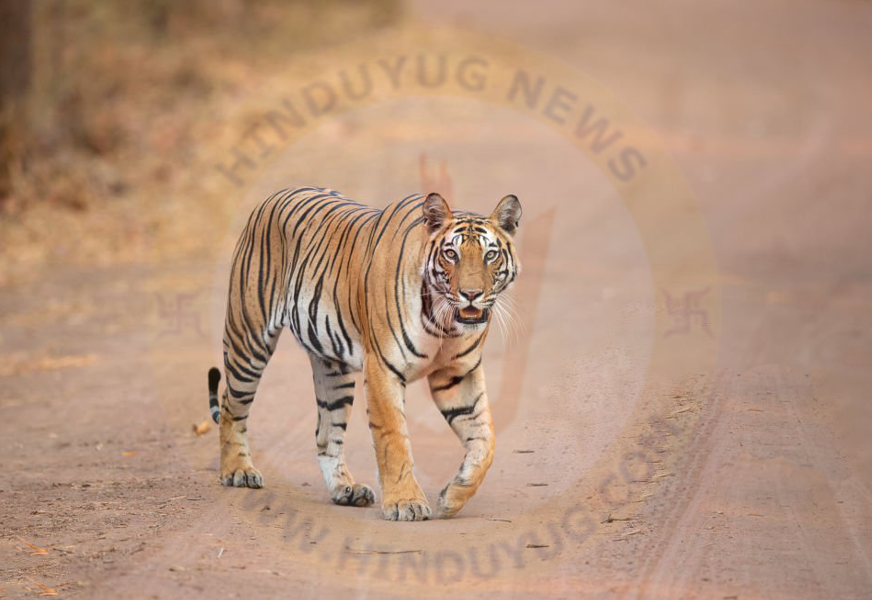
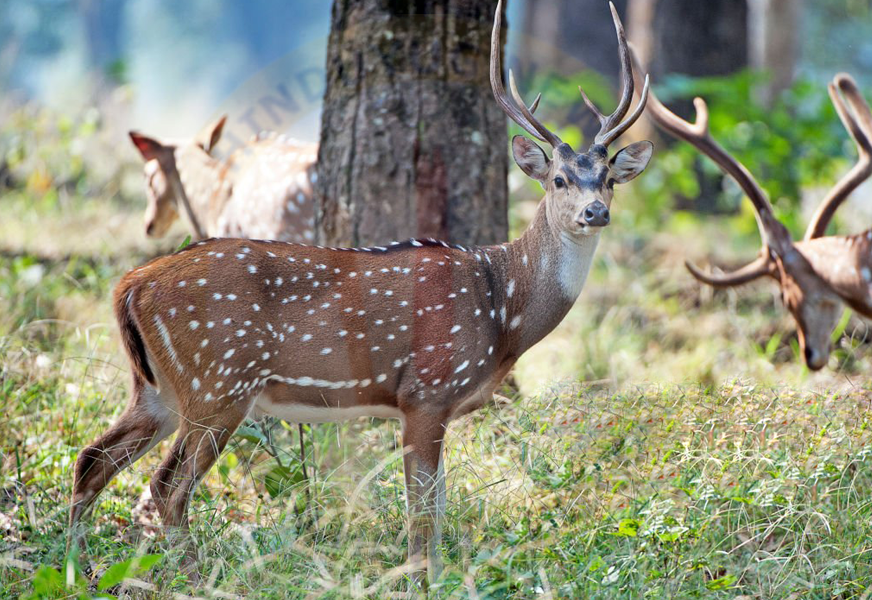
Bandhavgarh National Park is one of the popular national parks in India located in the Umaria district of Madhya Pradesh. Bandhavgarh was declared a national park in 1968 with an area of 105 sq. km. The Park is spread over the forest divisions of Umaria and Katni and totals 437 sq. km. The park derives its name from the most prominent hillock of the area, which is said to be given by Hindu Lord Rama to his brother Lakshmana to keep a watch on Lanka. Hence the name Bandhavgarh (Meaning: Brother's Fort).
Many mythological stories relating to Lord Shiva and his daughter Narmada have been woven around this mystical town of Amarkantak. Amarkantak is known primarily as a religious place. The holy rivers Narmada and Sone originate from here. Another important river Johilla, too originates from Amarkantak. There are about 12 temples here devoted to Narmada maiyya. The Narmada temple is the most important one, which has been built around the origin point of the river Narmada. The Bhonsles of Nagpur built this temple. Maharaja Gulab Singh belonging to the Baghel dynasty of Rewa constructed the outer boundary wall of the temple complex.
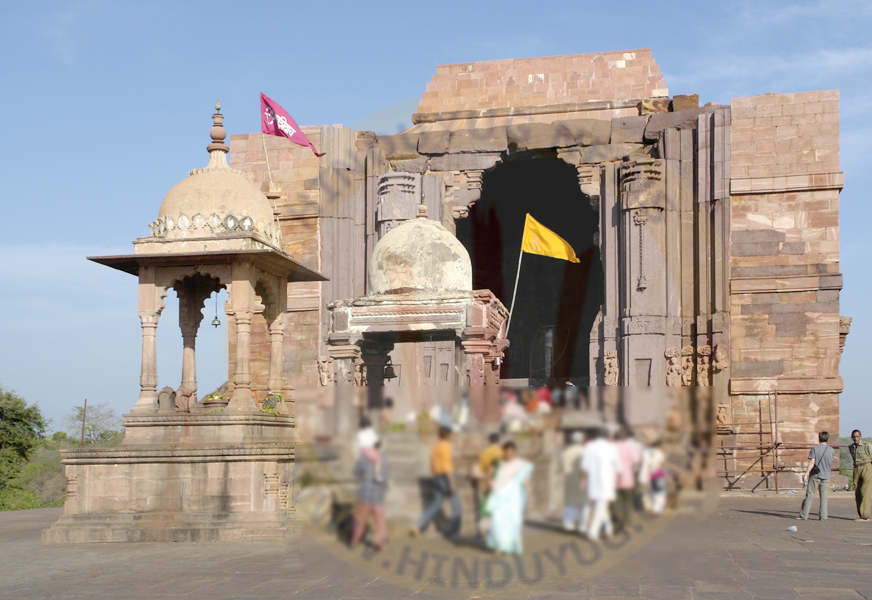
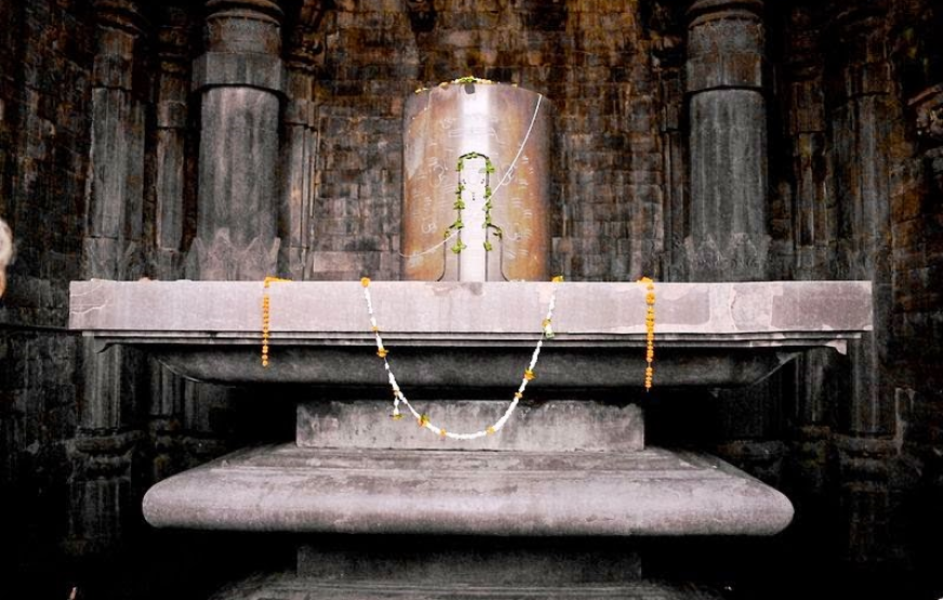
Bhojpur is named after its founder, the Parmara king Bhoj. Bhojpur is situated 28 km from Bhopal on the banks of river Betwa. Bhojpur is famous for the incomplete Bhojeshwar temple, which is dedicated to Shiva. The temple houses the largest Shiva lingam in India, which is 5.5 m (18 ft) tall and 2.3 m (7.5 ft) in circumference and is crafted out a single rock.
Many mythological stories relating to Lord Shiva and his daughter Narmada have been woven around this mystical town of Amarkantak. Amarkantak is known primarily as a religious place. The holy rivers Narmada and Sone originate from here. Another important river Johilla, too originates from Amarkantak. There are about 12 temples here devoted to Narmada maiyya. The Narmada temple is the most important one, which has been built around the origin point of the river Narmada. The Bhonsles of Nagpur built this temple. Maharaja Gulab Singh belonging to the Baghel dynasty of Rewa constructed the outer boundary wall of the temple complex.
In the temple, religion and architecture, sculpture, drama and a weird vision combine in a compelling assertion of reality. There is a brooding imminence about this great black temple that demands attention and reverence; and streams of school girls, as bright as moving garlands of flowers, moved up and down the ladder seeking the blessings of the great monolith, bowing to mumbled prayers from an ochre-robed, white-bearded priest who stood near like a vision of a benevolent and slightly portly Father Time.
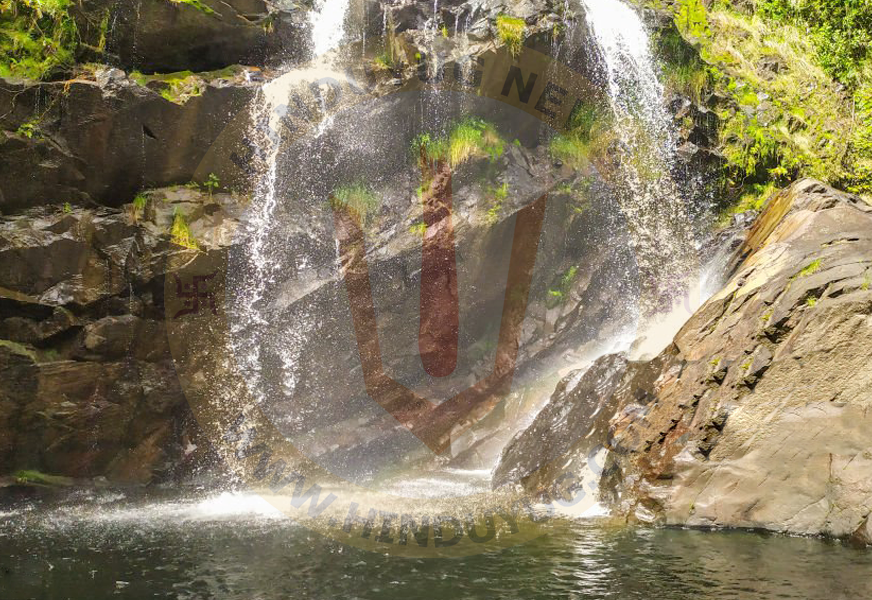
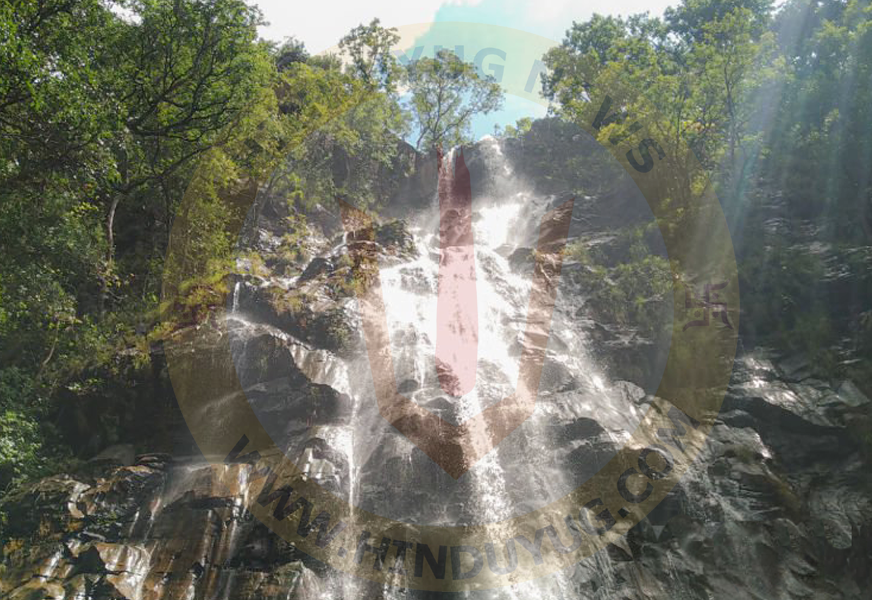
Pachmarhi is discovered by British Army Captain – James Forsyth in 1857 and wrote book on Pachmarhi called “The Highlands of Central India”. Dense forests and its in-accessibility for normal person had made it a safe place for hideout for freedom fighters like Rani Jhansi, Tatya Topa etc. Presence of 5 ancient caves had made it famous with the name of Pachmarhi where “Panch” means five and”Marhi” means caves. Its scenic beauty and climate had made it popular among britishers during pre-independence era in summer season.
Pachmarhi is a hill station of Madhya Pradesh situated on a large plateau Mahadeo hills of Satpura ranges. It is widely known as “Queen of Satpura”. Pachmarhi lies in Hoshangabad district of among all tourist spots of Madhya Pradesh, Pachmarhi is the most favorite tourist spot among domestic tourists of India. Mostly it is visited by domestic tourists from all over the India especially from Maharashtra, Gujarat, West Bengal. Pachmarhi sightseeing is of 2-3 days long. Satpura National Park is also another attraction for Pachmarhi visitors as Tigers are there in Park.
Pachmarhi is a small town and most of its area is under Pachmarhi Cantonment. Cantonment was established in year 1872. Civilian town of Pachmarhi is small and towards the tip of lake. Most of the civilian area is driven by tourism activities like offering hotels to visitors, selling gift-items etc. There is no big shopping-malls or large hotels in Pachmarhi. Most of the hotels of Pachmarhi are small of approximately 15 to 30 rooms offers only vegetarian meals. Shop-keepers mostly offers small gift items like marble items, jute-items, wooden gift items etc..
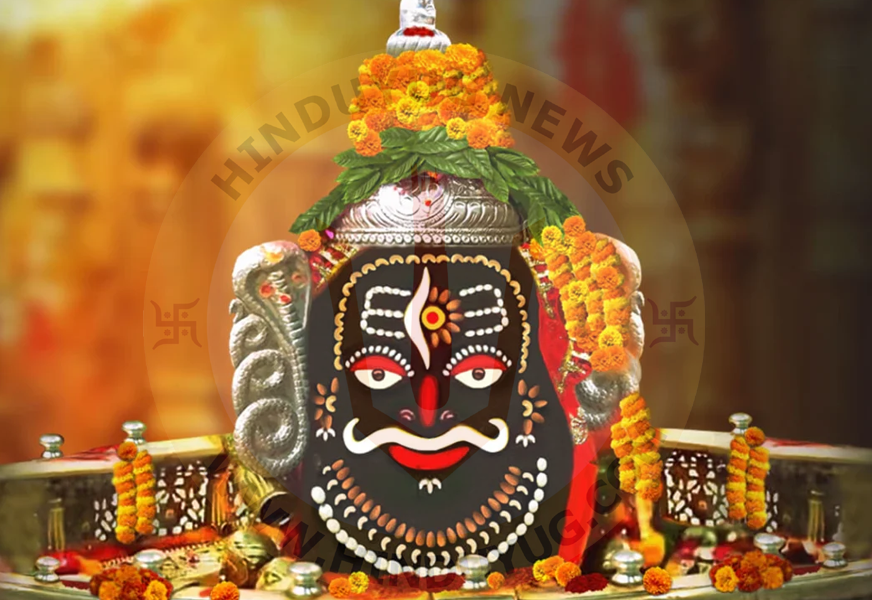
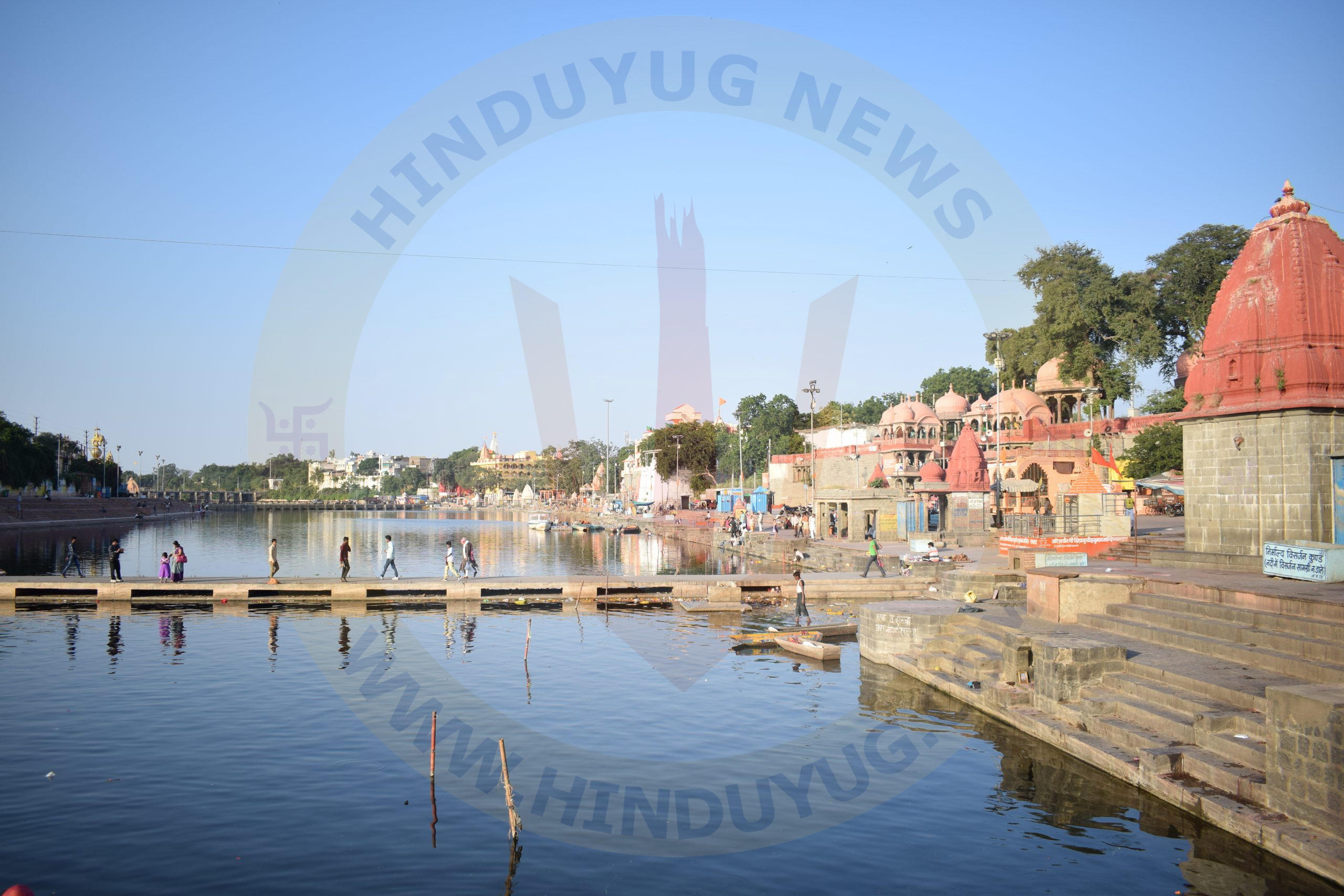
On the banks of the Shipra River, stands an elegant city which glorifies the Mauryan age of India. Asoka had been the King of Ujjain; his memories are sharply linked in every nook and corner of the city of Ujjain. Asoka was a great king, and always tried to expand his empire beyond its present boundaries. But afterwards, the sight of thousands of dead bodies at the Kalinga War he changed his mind and he embraced Buddhism that preaches the doctrine of Universal Love. He became more interested on the welfare of his subjects and tried to extend his love across the boundaries of his empire. That is why, he sent ambassadors to China and other distant places. Today Buddhism has been embraced by so many; Asoka is behind the expansion of this religion. At Ujjain, Chandragupta II who adopted the title Vikramaditya reigned here. He had nine talents in his court and he used to call them Navaratna, or nine gems. The Number-System including zero and the negative numbers emerged here from the court of the King Chandragupta-II. The city of Ujjain was attacked by Iltutmish later. But still the glory of the city continues to attract tourist from distant places.
Pachmarhi is a small town and most of its area is under Pachmarhi Cantonment. Cantonment was established in year 1872. Civilian town of Pachmarhi is small and towards the tip of lake. Most of the civilian area is driven by tourism activities like offering hotels to visitors, selling gift-items etc. There is no big shopping-malls or large hotels in Pachmarhi. Most of the hotels of Pachmarhi are small of approximately 15 to 30 rooms offers only vegetarian meals. Shop-keepers mostly offers small gift items like marble items, jute-items, wooden gift items etc..
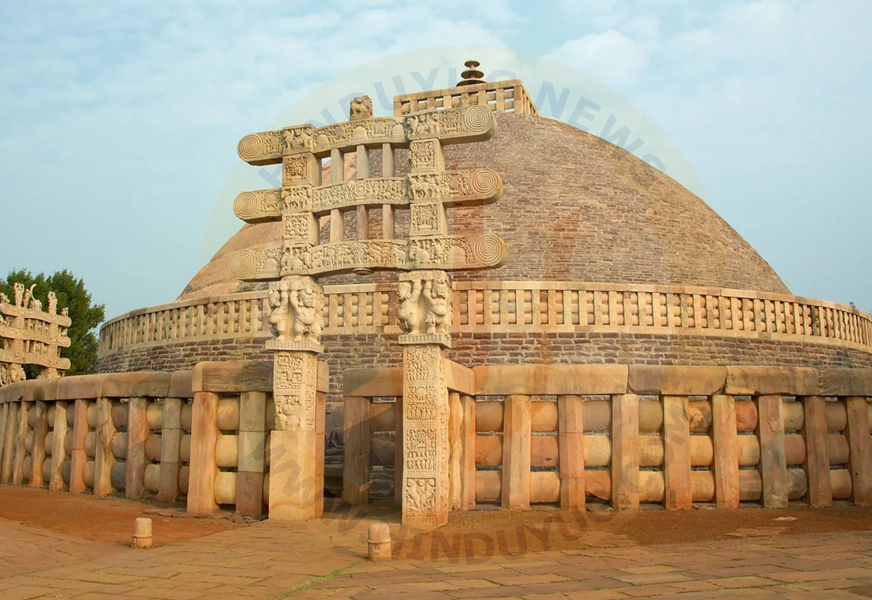
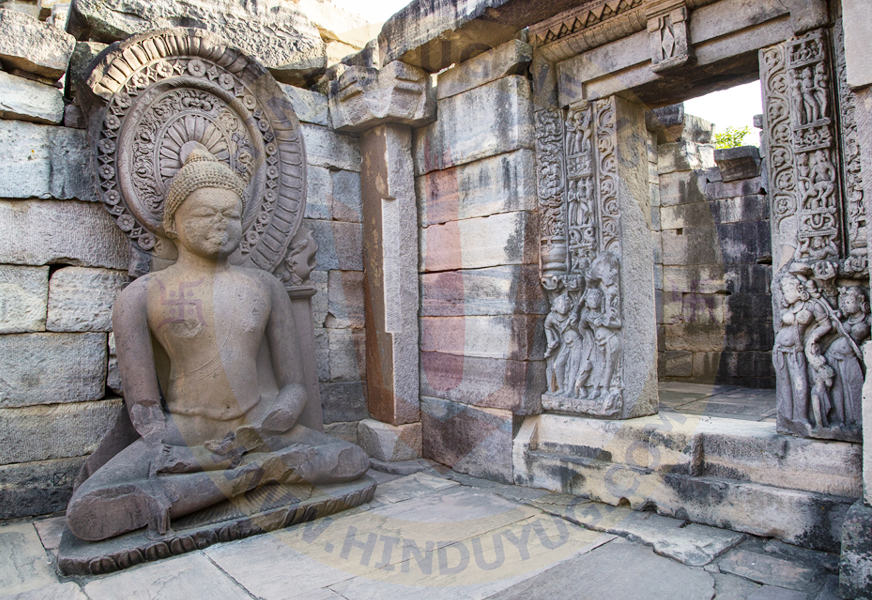
Sanchi is known for its Stupas, monasteries, temples and pillars dating from the 3rd century to the 12th century. The most famous of these monuments, is the Sanchi Stupa 1, which was originally built by the Mauryan Emperor Ashoka, the governor of Ujjayini, whose wife Devi was the daughter of a merchant from adjacent Vidisha. Their son Mahindra and daughter Sanghamitra were born in Ujjayini and sent to Srilanka, where they converted the King, the Queen and their people to Buddhism. Sanchi in Madhya Pradesh is located 46 kilometers away from Bhopal it is also known as the World Heritage Site. Sanchi has a strong Buddhist heritage also. Tourism in Madhya Pradesh receives a momentum with a tour to Sanchi that also reveals testimony of Gupta architecture besides the Buddhists ruins.

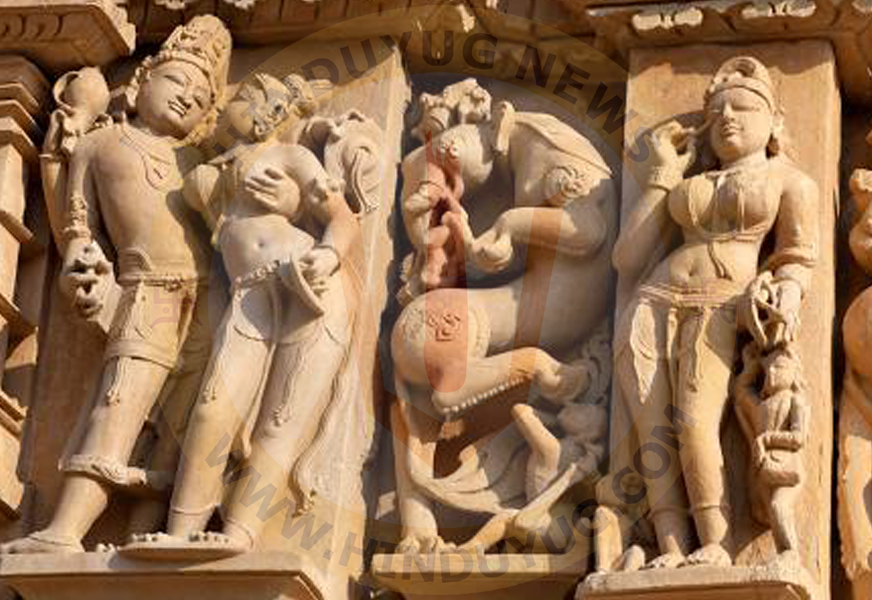
The past of Khajuraho is shrouded with mystery and conjecture. In the midst of the wilderness full of ferocious animals, there is the small town of Khajuraho standing alone in its solitude with its ancient temples. With hardly any written records and rare references to its origin, the history of Khajuraho has become trapped in the mythical folklore of the region. The beautiful artwork of these temples has gained the attention of the art lovers all over the world but the real purpose behind their construction is a mere guess work of the intellectuals.
The These temples fire the imagination of the visitors with innumerable questions such as their significance and their position in the society, the reason behind using these temples as an art gallery, the whereabouts of the said kingdom and why only the temples have been found and there are no ruins of the mansions and palaces in the nearby area. The graphic representation of sexual and erotic postures in a religious place is bewildering too.